
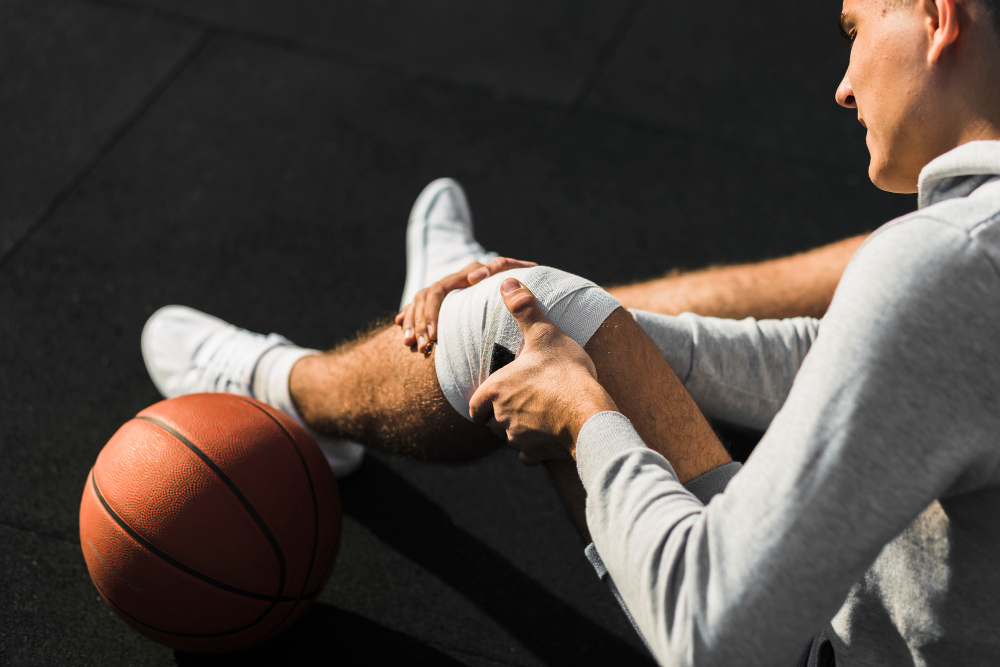
Introduction to Sports Injuries
Sports injuries are common among people of all ages. Whether you play sports for fun or compete at a high level, you may face these injuries. Sports injuries can affect muscles, bones, or joints. For example, sprains, strains, and fractures are frequent problems. Because these injuries can happen suddenly or over time, it is important to know the signs and how to prevent them. According to the CDC, millions of people visit doctors each year for sports injuries. Early care can help you recover faster and avoid long-term problems.
Common Symptoms of Sports Injuries
Recognizing the symptoms of sports injuries is important. Sometimes, symptoms appear right away. Other times, they develop slowly. For this reason, you should pay attention to any changes in your body. Common signs of sports injuries include:
If you notice any of these symptoms, you should rest and monitor your condition. However, if pain or swelling gets worse, seek medical help.
Main Causes and Risk Factors
Sports injuries can happen for many reasons. Often, they result from accidents or overuse. But sometimes, poor technique or lack of warm-up also play a role. Here are some common causes and risk factors:
Because children and teens are still growing, they are at higher risk. In addition, adults who play sports only occasionally may also face more injuries.
Diagnosis Methods for Sports Injuries
When you visit a doctor for a sports injury, they will ask about your symptoms and how the injury happened. Next, they will examine the injured area. Sometimes, doctors use special tests to get more details. For example, they may order:
With these tools, doctors can find out the type and severity of your injury. Early diagnosis helps guide the best treatment plan.
Treatment Options for Sports Injuries
Treatment for sports injuries depends on the type and severity of the injury. In many cases, simple care at home is enough. However, some injuries need medical or surgical treatment. Here are common treatment options:
Because every injury is different, your doctor will suggest the best treatment for you. For more details on sports injury treatment options, talk to an orthopedic specialist.
Prevention Tips and Lifestyle Guidance
Preventing sports injuries is possible with the right steps. Although accidents can still happen, you can lower your risk by following these tips:
Furthermore, regular exercise can strengthen your muscles and joints. This makes injuries less likely. If you are unsure about your fitness level, ask a coach or doctor for advice. For those looking for help, sports injury clinics in your area can provide guidance.
When to Seek Medical Help
Sometimes, sports injuries are mild and heal with home care. However, you should see a doctor if you notice:
Early treatment can prevent further damage. Therefore, do not wait if you are worried about your injury.
Conclusion
Sports injuries can happen to anyone, but knowing the symptoms and causes can help you stay safe. With proper care and prevention, you can enjoy sports and stay healthy. If you have concerns or need advice, consult Dr. Buram Kranti Kumar for personalized advice on sports injuries.