
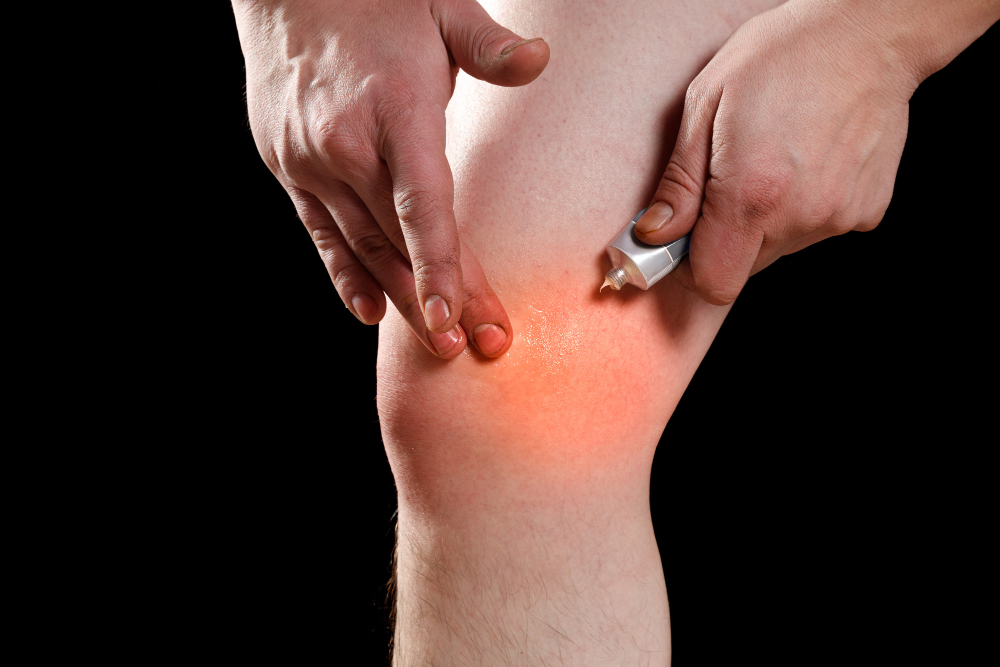
Meniscus tears are common knee injuries that can affect people of all ages. The meniscus is a piece of cartilage in your knee. It acts as a cushion between your thigh bone and shin bone. When this cartilage tears, it can cause pain, swelling, and trouble moving your knee. Understanding what causes meniscus tears is important. It helps you avoid injury and know when to seek help.
What is a Meniscus Tear?
The meniscus is a rubbery, C-shaped disc in your knee. Each knee has two menisci. They help absorb shock and keep your knee stable. A meniscus tear happens when this cartilage gets damaged. Sometimes, the tear is small and heals on its own. Other times, it may need medical care. For example, twisting your knee suddenly can cause a tear. Many people feel a pop at the time of injury.
Common Causes of Meniscus Tears
Meniscus tears can happen for several reasons. Often, they occur during activities that put pressure on the knee. Here are some common causes:
For instance, athletes in soccer, basketball, or football often face higher risk. However, anyone can get a meniscus tear, even during daily activities.
Risk Factors for Meniscus Injury
Some people are more likely to experience meniscus tears. Knowing these risk factors can help you stay safe. Key risk factors include:
Additionally, people with weak thigh muscles may have less knee support. This can make injury more likely.
How to Prevent Meniscus Tears
While not all meniscus tears can be prevented, you can lower your risk. Here are some helpful tips:
Moreover, listen to your body. If you feel knee pain, stop the activity and rest. Early care can prevent further damage.
When to See a Doctor
Sometimes, a meniscus tear heals with rest and care. However, you should see a doctor if you notice:
In these cases, a healthcare provider can check your knee. They may use an MRI or other tests to confirm a meniscus tear. Early treatment can help you recover faster and avoid long-term problems. According to the American Academy of Orthopaedic Surgeons, prompt care leads to better outcomes.
In summary, meniscus tears can happen to anyone. But knowing the causes and risk factors helps you stay safe. If you think you have a meniscus tear, consult an orthopedic specialist Dr.Buram Kranti Kumar for personalized advice on meniscus tears.