
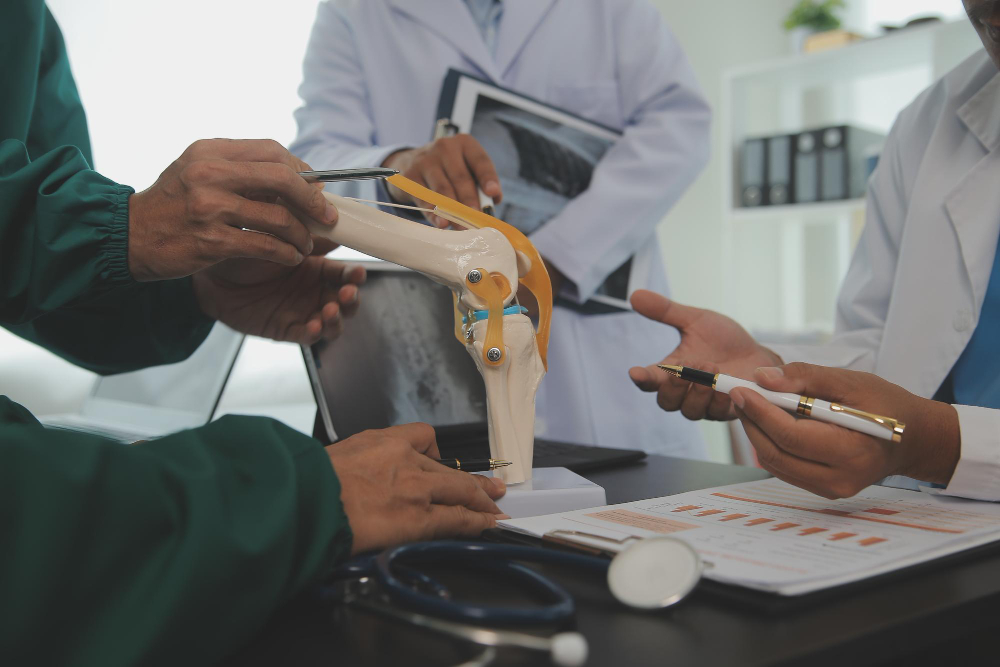
What Is Knee Replacement Surgery?
Knee replacement surgery, also called knee arthroplasty, is a procedure to replace a damaged knee joint with an artificial one. Many people choose this surgery when pain or stiffness makes daily activities hard. Often, doctors recommend it when other treatments do not help. According to the CDC, knee replacement is a common and safe surgery for severe knee problems.
Common Symptoms and Conditions Leading to Knee Replacement
Many people experience knee pain as they age. However, some symptoms may signal a need for knee replacement surgery. For example, you may notice:
Usually, these symptoms are caused by conditions like osteoarthritis, rheumatoid arthritis, or injury.
Causes and Risk Factors
Several factors can lead to knee joint damage. For instance, common causes include:
Additionally, age and certain jobs that involve heavy lifting can increase your risk.
Diagnosis and When Surgery Is Recommended
Doctors use several steps to decide if you need knee replacement surgery. First, they ask about your symptoms and medical history. Next, they examine your knee and may order X-rays or MRI scans. Usually, surgery is recommended when:
Sometimes, your doctor may suggest waiting or trying other treatments first.
Types of Knee Replacement Procedures
There are different types of knee replacement surgery. For example, your doctor may recommend:
Your surgeon will choose the best option based on your needs.
Step-by-Step Overview of the Surgical Process
Understanding the surgery can help you feel more prepared. Here is a simple overview:
Most surgeries take about one to two hours.
Benefits and Potential Risks
Knee replacement surgery offers many benefits. For instance, you may notice:
However, like any surgery, there are some risks. These may include infection, blood clots, or joint stiffness. Although these problems are rare, your doctor will discuss them with you before surgery.
Recovery Timeline and Rehabilitation Tips
Recovery after knee replacement surgery takes time. Usually, you will stay in the hospital for one to three days. After you go home, you will need to:
Most people can walk with help within a few days. However, full recovery may take three to six months. With patience and effort, you can return to many normal activities.
Lifestyle Guidance After Surgery
After knee replacement, you can enjoy a more active life. Still, it is important to protect your new joint. For example:
Additionally, regular check-ups with your doctor will help keep your knee healthy.
Prevention and Joint Care Tips
While not all knee problems can be prevented, you can lower your risk. Try these tips:
Early care and healthy habits can help you avoid or delay knee surgery.
Conclusion
Knee replacement surgery can relieve pain and improve your life. However, it is important to know what to expect and how to recover well. Consult Dr. Buram Kranti Kumar to discuss if knee replacement surgery is right for you.