
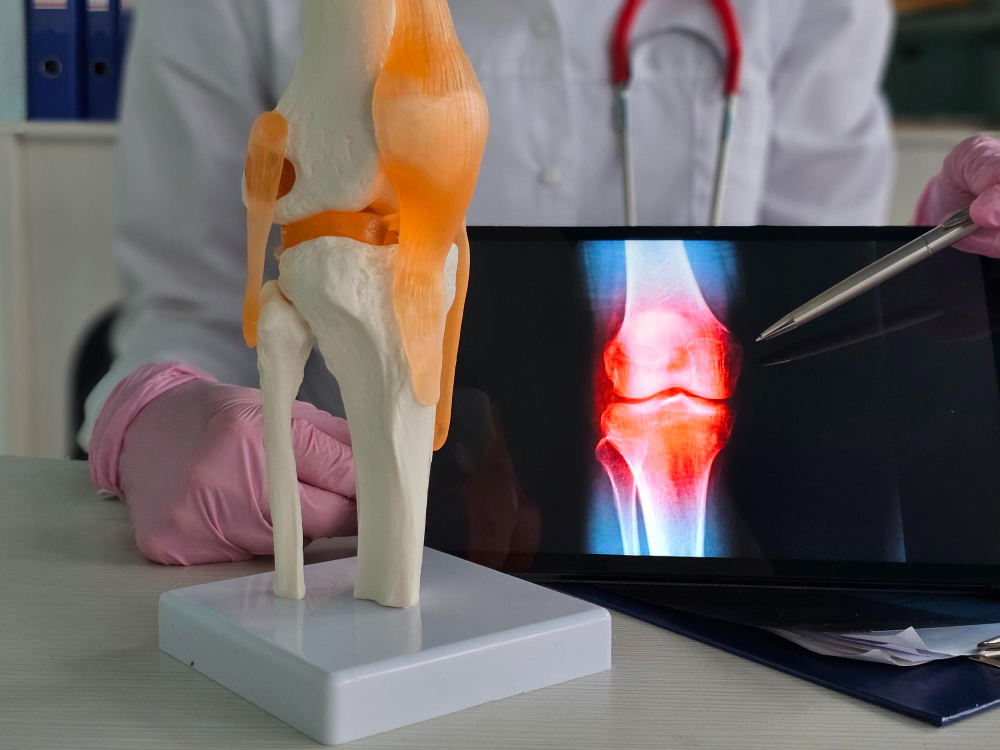
What is a Femur Fracture?
The femur is the thigh bone. It is the longest and strongest bone in your body. When it breaks, doctors call this a femur fracture. Often, this injury needs femur fracture trauma surgery. Because the femur supports your weight, a break can make walking impossible. Usually, a femur fracture is a serious injury that needs quick medical care.
Common Symptoms of Femur Fracture
After a fall or accident, you may notice signs of a broken thigh bone. Early treatment helps prevent problems. Look for these common femur fracture symptoms:
Sometimes, you may also feel numbness or tingling. If you notice these signs, seek help right away.
Causes and Risk Factors
Femur fractures often happen after a strong force. For example, car accidents or falls from heights can break the thigh bone. However, weaker bones can break more easily. Here are some common causes and risk factors:
Because age and bone health matter, older adults face a higher risk. In addition, people with weak bones need to be extra careful.
Diagnosis of Femur Fracture
Doctors use several steps to diagnose a femur fracture. First, they ask about your injury and symptoms. Next, they check your leg for swelling, bruising, or changes in shape. After that, they order imaging tests. These may include:
Early and accurate diagnosis helps guide the best treatment for broken thigh bone injuries.
Femur Fracture Trauma Surgery: Procedures and Techniques
Most femur fractures need surgery. This is called femur fracture trauma surgery. The main goal is to fix the bone and help it heal. There are different types of orthopedic surgery for femur fractures. Your doctor will choose the best one for you. Common procedures include:
After surgery, doctors check your leg to make sure the bone is healing well. According to the CDC, surgery helps most people recover faster and lowers the risk of problems.
Recovery and Rehabilitation
Recovery after femur fracture trauma surgery takes time. However, with the right care, most people regain strength and movement. Here is what to expect during trauma surgery recovery:
Because every person heals differently, your recovery time may vary. For example, young and healthy people may heal in a few months. Older adults or those with other health issues may need more time. Always follow your doctor’s advice for the best results.
Prevention Tips
Although not all femur fractures can be prevented, you can lower your risk. Try these tips to keep your bones strong and avoid injury:
In addition, talk to your doctor about ways to protect your bones if you have a medical condition.
When to See an Orthopedic Surgeon
If you suspect a femur fracture, seek medical help right away. You should see an orthopedic surgeon if you:
Early treatment can prevent serious problems and improve your outcome.
Frequently Asked Questions
Conclusion and Next Steps
Femur fracture trauma surgery is often needed for a broken thigh bone. Early diagnosis, proper treatment, and good care help you recover well. If you think you have a femur fracture, do not wait. Consult an orthopedic specialist Dr.Buram Kranti Kumar for personalized advice and treatment options.