
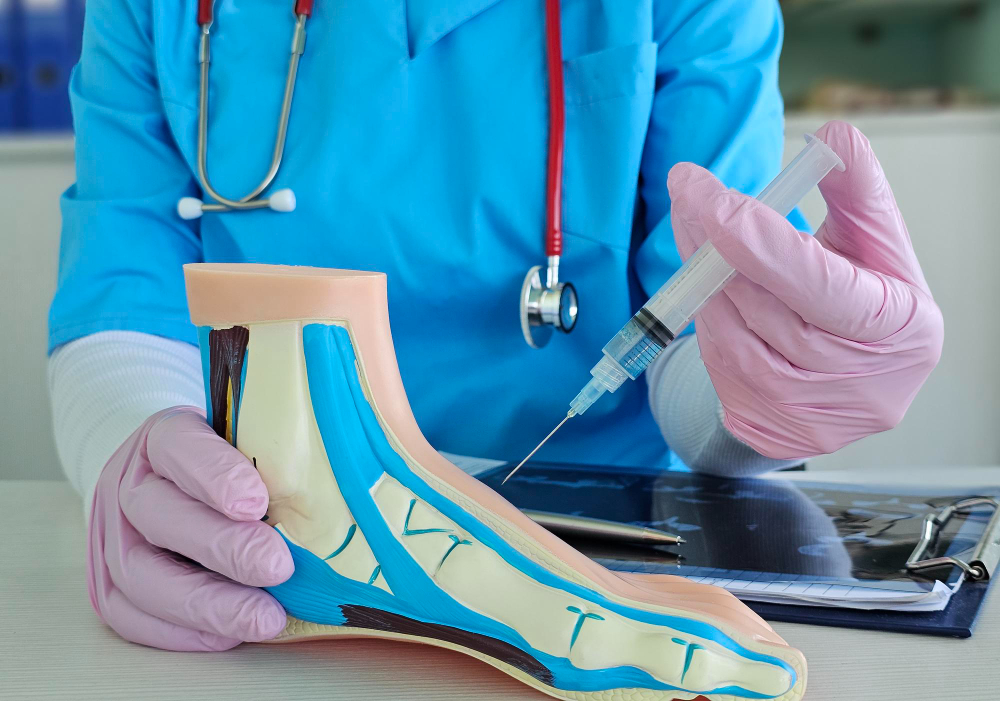
What is Peroneal Tendon Surgery?
Peroneal tendon surgery is a type of orthopedic foot surgery. Doctors use it to repair damaged peroneal tendons. These tendons run along the outside of your ankle and foot. They help you move your foot and keep it stable. Sometimes, injuries or overuse can damage these tendons. When other treatments do not work, surgery may be needed. Peroneal tendon surgery can help restore movement and reduce pain.
Symptoms Indicating the Need for Surgery
Not everyone with foot pain needs surgery. However, some symptoms may suggest a serious tendon problem. If you notice these signs, you should see a doctor:
Sometimes, these symptoms can get worse over time. Therefore, early treatment is important.
Common Causes of Peroneal Tendon Problems
Many things can harm the peroneal tendons. For example, sports injuries are a common cause. Repetitive movements or sudden twists can strain the tendons. In addition, people with high arches or loose joints may be at higher risk. Other causes include:
Because these tendons are used often, they can wear down over time.
Diagnosis: How Doctors Identify Peroneal Tendon Issues
Doctors use several steps to diagnose peroneal tendon problems. First, they will ask about your symptoms and medical history. Next, they will examine your foot and ankle. They may check for swelling, tenderness, or weakness. In many cases, doctors use imaging tests to get a clearer view. These tests may include:
With these tools, doctors can decide if peroneal tendon surgery or another treatment is best. According to the American Academy of Orthopaedic Surgeons, early diagnosis helps prevent further damage.
The Surgical Procedure: What to Expect
If you need peroneal tendon repair, your doctor will explain the procedure. Usually, the surgery is done under local or general anesthesia. During the operation, the surgeon will:
Most surgeries take one to two hours. Afterward, your foot may be placed in a cast or boot to protect it. Because every case is different, your doctor will discuss the details with you.
Recovery and Rehabilitation Tips
Peroneal tendon surgery recovery takes time and care. At first, you may need to keep weight off your foot. Crutches or a walker can help you move safely. Your doctor will give you instructions on caring for your incision. In addition, you may need to:
Most people return to normal activities in three to six months. However, recovery times can vary. Therefore, it is important to follow your doctor’s advice closely. According to the CDC, proper rehabilitation helps prevent future injuries.
Prevention and Lifestyle Guidance After Surgery
After peroneal tendon repair, you can take steps to protect your foot. For example, wearing supportive shoes can help. In addition, regular stretching and strengthening exercises keep your tendons healthy. Here are some tips:
With these habits, you can lower your risk of future problems. Moreover, staying active and following your care plan will help you heal well.
In summary, peroneal tendon surgery can relieve pain and restore movement. If you have ongoing ankle pain, do not wait. Consult an orthopedic specialist Dr. Buram Kranti Kumar for personalized advice on peroneal tendon surgery and recovery.