
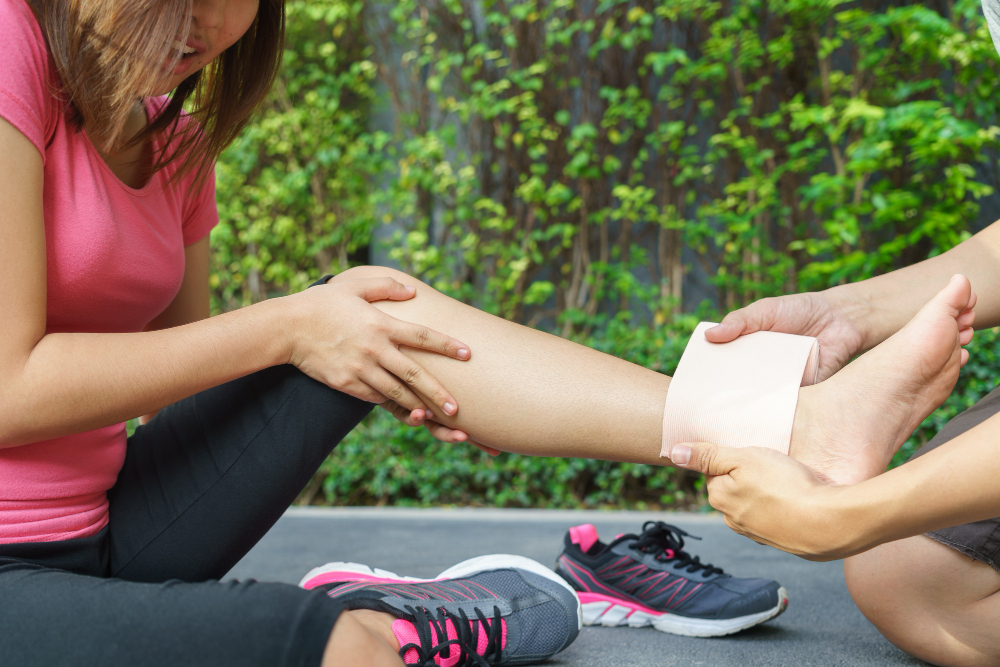
What Are FOOSH Injuries?
FOOSH injuries happen when you fall on an outstretched hand. The term FOOSH stands for “Fall On Outstretched Hand.” These injuries can hurt your wrist, hand, or arm. Often, people may break a bone or sprain a joint. Because falls are common, FOOSH injuries are seen often in clinics. Knowing about fall prevention and hand safety can help you avoid these injuries. Orthopedic surgeons see many cases each year, so they offer helpful advice for everyone.
Why Are FOOSH Injuries Common?
Many people use their hands to break a fall. As a result, the force travels through the wrist and arm. This can cause sprains, fractures, or even dislocations. Children, older adults, and athletes are at higher risk. However, anyone can have a FOOSH injury. Wet floors, uneven ground, or rushing can increase your chances. For this reason, learning how to prevent FOOSH injuries is important for all ages.
6 Tips to Avoid FOOSH Injuries
1. Keep Your Home Safe
First, make your living space safer. Simple changes can reduce your risk of falling. Try these steps:
2. Wear Proper Footwear
Next, choose shoes that fit well and have good grip. Shoes with slippery soles can cause falls. For outdoor activities, pick sturdy shoes or boots. At home, avoid walking in socks on smooth floors. This simple step can help you avoid FOOSH injuries.
3. Improve Your Balance and Strength
Regular exercise helps your muscles and balance. Strong legs and core muscles keep you steady. For example, try these activities:
With better balance, you are less likely to fall and hurt your hand or wrist.
4. Be Careful in Wet or Icy Conditions
Slippery surfaces are a common cause of FOOSH injuries. When it rains or snows, walk slowly and watch your step. Use handrails when possible. If you live in a cold area, clear ice from walkways. These orthopedic safety tips can help reduce your risk of wrist fractures.
5. Use Protective Gear for Sports
Many FOOSH injuries happen during sports. Therefore, always wear the right gear. For example:
Protective gear can absorb some of the force if you fall.
6. Stay Alert and Avoid Distractions
Finally, pay attention to your surroundings. Looking at your phone or rushing can lead to falls. Instead, watch where you walk and take your time. This simple habit can help you avoid FOOSH injuries every day.
When to See an Orthopedic Surgeon
If you fall and feel pain in your hand, wrist, or arm, seek help. Signs you may need an orthopedic surgeon include:
Early treatment can prevent further problems. For ongoing pain or repeated falls, ask your doctor for advice on hand safety and fall prevention.
For personalized advice on preventing FOOSH injuries, consult an orthopedic specialist Dr. Buram Kranti Kumar .