
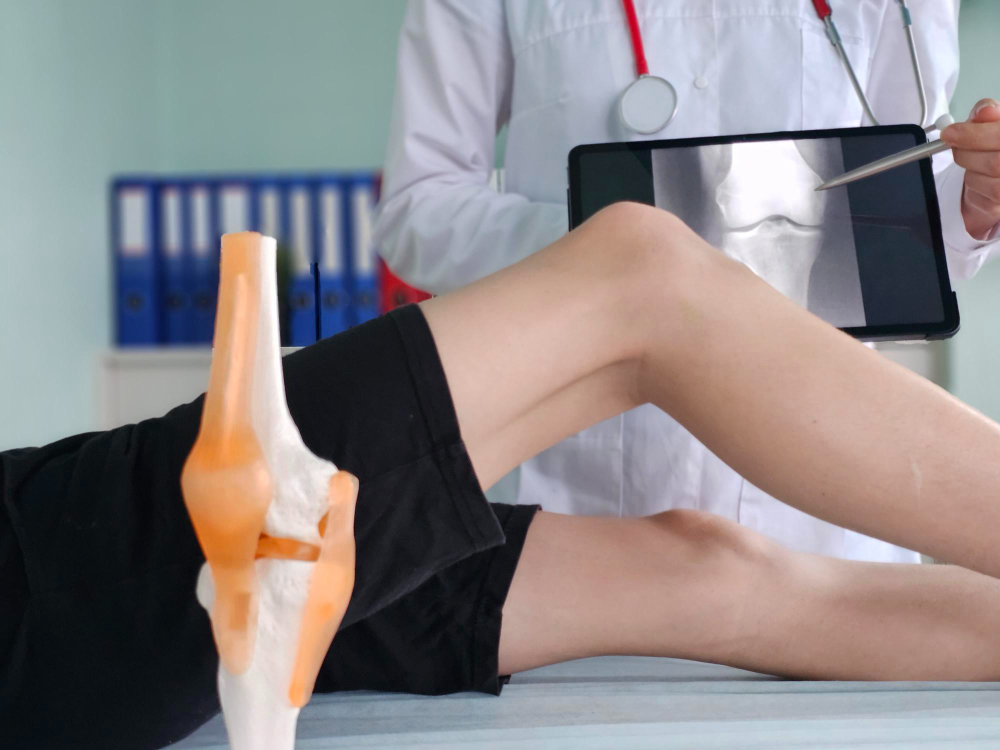
What Is Uni-compartmental Knee Arthroplasty (UKA)?
Uni-compartmental knee arthroplasty, also called UKA or partial knee replacement, is a surgery for knee pain. In this procedure, only the damaged part of the knee joint is replaced. Unlike total knee replacement, UKA keeps healthy bone and tissue. Many people with knee arthritis or damage in just one part of the knee may benefit from this surgery. According to the American Academy of Orthopaedic Surgeons, UKA is less invasive than total knee replacement.
Symptoms and Conditions Leading to UKA
Often, UKA is recommended for people with knee pain in one area. Usually, this pain is due to osteoarthritis, which wears down the cartilage. Some common symptoms and conditions include:
However, not everyone with knee pain is a candidate. Your doctor will check your knee and may order X-rays or scans.
How UKA Differs from Total Knee Replacement
While both surgeries treat knee pain, there are key differences. First, UKA replaces only the damaged part of the knee. In contrast, total knee replacement removes and replaces the whole joint. Because UKA is less invasive, it often means a smaller cut and less bone removal. As a result, recovery may be faster. However, UKA is only for people with damage in one part of the knee.
The UKA Procedure: What to Expect
Before surgery, your doctor will explain the steps. Usually, UKA is done under anesthesia, so you will not feel pain. During the procedure:
Most people stay in the hospital for one or two days. Sometimes, UKA can be done as an outpatient procedure.
Benefits and Potential Risks of UKA
UKA surgery offers several benefits. For example, many people experience:
However, like any surgery, UKA has risks. These may include infection, blood clots, or implant problems. In rare cases, the knee may need another surgery later. According to peer-reviewed orthopedic journals, most people recover well, but it is important to discuss all risks with your doctor.
Recovery Timeline and Rehabilitation Tips
Recovery from uni-compartmental knee arthroplasty is usually quicker than total knee replacement. Most people walk with help within a day or two. For a smooth recovery, consider these tips:
Usually, people return to normal activities in four to six weeks. However, full recovery may take up to three months. Physical therapy helps restore strength and movement.
Lifestyle Guidance After UKA
After UKA, you can enjoy many activities again. Still, it is wise to avoid high-impact sports like running or jumping. Instead, choose low-impact exercises such as walking, swimming, or cycling. Eating a healthy diet and maintaining a healthy weight can protect your new knee. If you notice pain, swelling, or redness, contact your doctor right away.
Prevention of Knee Joint Issues
While some knee problems are hard to prevent, there are steps you can take. For example:
Early care for knee pain can help prevent further damage. If you have ongoing knee pain, see a doctor for advice.
Conclusion
Uni-compartmental knee arthroplasty is a safe and effective option for many people with knee pain in one area. Because it is less invasive, recovery is often quicker than with total knee replacement. However, every person is different. Consult an orthopedic specialist like Dr. Buram Kranti Kumar to determine if UKA is right for you.